
The promise
Congress enacted 5 U.S.C. § 5538 so eligible federal civilian employees would not take a pay cut when called to active duty. The law compares qualifying civilian basic pay with military pay and allowances for the same pay period.

Reservist differential pay
Federal civilian employees called to active duty may qualify for differential pay when their military pay was lower. Trial Lawyers for Justice is evaluating a potential class appeal.
No appeal has been filed and no class has been certified.
Tell us who you are and what happened so the firm can make an initial review. No charge.
See if this sounds familiar
If those four things sound familiar, the firm would like to understand what happened.
Why this matters now
Congress enacted 5 U.S.C. § 5538 so eligible federal civilian employees would not take a pay cut when called to active duty. The law compares qualifying civilian basic pay with military pay and allowances for the same pay period.
In 2025, the Supreme Court held that qualifying service under the relevant catchall need only overlap in time with a declared national emergency. The Court did not decide every eligibility, calculation, jurisdictional, defense, or remedy question.
Trial Lawyers for Justice is evaluating a potential MSPB class appeal. No appeal has been filed and no class has been certified. Eligibility depends on each person’s orders, leave, pay records, prior proceedings, and possible defenses.
What happens next
Name, phone, personal email, and an optional claim summary.
The firm evaluates the information and completes a conflicts check.
Submitting does not guarantee a response, representation, or result.
The legal team
Trial Lawyers for Justice is a private law firm with a nationwide appellate and Supreme Court practice. It is not a government agency, the MSPB, or a legal-aid organization.
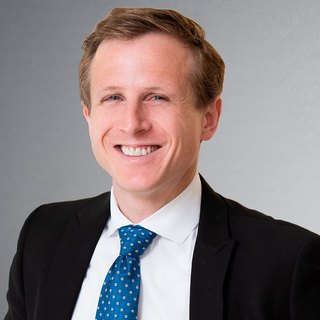
Co-Chair, Nationwide Appellate & Supreme Court Practice
Andrew co-chairs TL4J’s nationwide appellate practice. He argued and won Feliciano v. Department of Transportation, the 2025 Supreme Court decision at the center of this review, and Torres v. Texas Department of Public Safety, a 2022 USERRA decision for an Army Reserve veteran.

Co-Chair, Nationwide Appellate & Supreme Court Practice
Stanton co-chairs TL4J’s nationwide appellate practice. His work includes appeals in federal courts of appeals and state appellate courts across the country, as well as first-chair trial roles in federal and state courts.
Past results are not a promise. Every matter depends on its own facts, records, and law. These decisions do not guarantee or predict an outcome in your situation or this potential class appeal. No appeal has been filed and no class has been certified.
Think this may apply to you?
You do not need every record to begin, and the claim summary is optional.
Return to the intake formCollection and use. The intake requires a name, phone, and personal email; a claim summary is optional. The firm uses this information for initial review, conflicts checks, intake security, and professional obligations. It does not sell or use the information for unrelated marketing.
Service providers and tracking. Lawyers and staff at Trial Lawyers for Justice may see the submission. Cloudflare hosts the site, Resend delivers intake email, and Google provides the page fonts. These providers may receive technical data such as IP address and browser type. The site runs no analytics or advertising trackers.
Retention and security. The firm retains information as needed for review, conflicts, and legal recordkeeping. To request access, correction, deletion, or no further contact, email appeals@tl4j.com or call (866) 854-5529. Legal and professional duties may require retention. Do not submit Social Security numbers, personnel files, orders, pay records, or classified or controlled information.
If this notice changes, this page and the date here will be updated. Last updated August 4, 2026.